Azur Lane
- 4.0
- Rating
- 5.00M
- Installs
- Free
- Price

 Analysis by App-foxy
Azur Lane caught my attention because it turns naval conflict into something much more stylized and character-focused than a conventional war game. I found an action game with a bright anime presentation, a surprisingly busy collection layer, and battles that reward preparation as much as quick reactions. It is free to play, developed by Yostar Limited, and its large player base is easy to understand once the opening systems begin to unfold. The game has passed five million installs and holds a 4.1 average from roughly 161 thousand ratings, which feels consistent with my experience: there is a lot to enjoy, but also a fair amount to learn before everything feels comfortable.
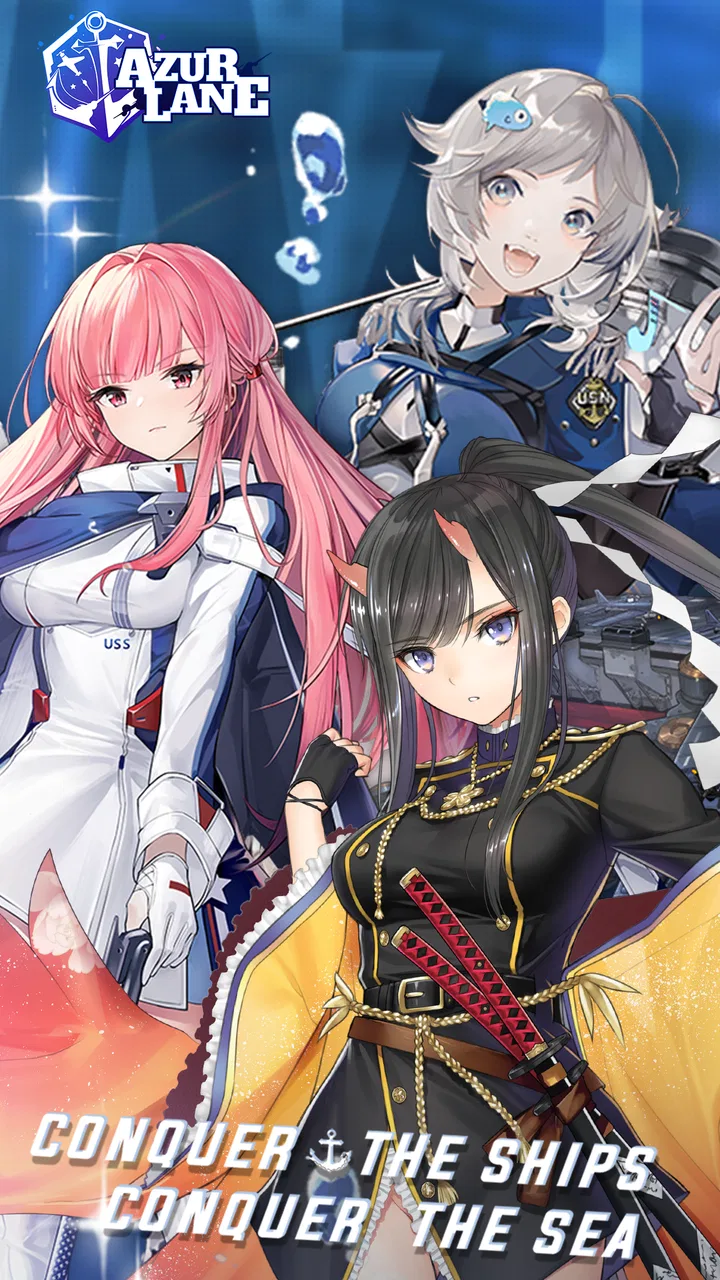
The first thing I noticed was the contrast between the subject matter and the presentation. The setting draws from naval warfare, yet the ships appear as anime characters with distinct personalities, visual identities, and roles. That choice gives every menu and encounter a strong sense of character rather than making the game feel like a dry military simulator. At the same time, it is not simply a collection of attractive illustrations. The combat, fleet arrangement, equipment decisions, and progression systems give the artwork a practical purpose because each character becomes part of a larger tactical plan.
From a bright first impression to a deeper naval routine
I found that Azur Lane’s bright, character-led presentation is only the doorway; the more lasting appeal comes from learning how each fleet choice affects the battles ahead. In this section, I look at how the game moves from an easy first session into a routine of planning and active play, and why that shift suits some players better than others.
You May Also Like

 Blood Strike: 2.5 Anniversary
Blood Strike’s Loadouts Turn Every Drop Into a Tactical Gamble
A close look at Blood Strike’s custom loadouts: how fast access to signature weapons reshapes its battle royale rhythm, rewards preparation, and narrows the gap between fights.

 Pandora - Music & Podcasts
Pandora’s Music Is Easy to Start, but Harder to Recover
Pandora’s strength is its low-effort path from a seed to a station. Its weak spot is how much confidence it asks you to place in connection, setup, and quiet recovery.

 8 Ball Pool
 Is Built on Rivalries, Rematches, and Routine
A close look at the rivalries, rematches, shared routines, and unanswered safety questions that turn a quick pool match into a persistent mobile community.

 Samsung Music
’s Quiet Strength Is Playing What You Already Own
Its reach comes less from spectacle than from dependable access to a personal library. That simplicity is both the app’s strongest retention engine and its ceiling.

 AccuWeather: Weather Radar
AccuWeather Review: A Quick, Clear Forecast for Everyday Decisions
For everyday plans, the best forecast is the one you can understand quickly. AccuWeather makes rain timing, radar, and local conditions easy to act on, with a few trade-offs.

 Hill Climb Racing
Why Hill Climb Racing Still Turns Crashes Into One More Run
A tiny car, a bumpy hill and one more upgrade: Hill Climb Racing keeps resurfacing because its simple chaos makes every near-miss feel personal.
More From Our News Desk



The opening is approachable, but the game keeps adding layers
My early sessions were easy to enter. The action is presented clearly enough to understand the basic rhythm of moving, attacking, and dealing with threats on the screen. I did not need to know naval terminology to begin enjoying it. The game gradually introduces more decisions, and that gradual expansion is important because Azur Lane can become dense once fleets, equipment, upgrades, and character development start competing for attention.
I would describe the first impression as welcoming rather than simple. The colorful interface and expressive character designs make the game feel light, but the underlying structure asks me to think about how a fleet works together. A powerful character is not automatically the best choice for every situation. Positioning, weapon choices, timing, and the balance between different ship roles can matter more than simply selecting the most familiar name.
That makes the game particularly suitable for players who enjoy collecting characters but still want their collection to influence play. I can spend time appreciating the artwork, then immediately use the same character in a practical formation. The transition between those two activities is one of the game’s strongest design choices. It avoids separating the visual appeal from the mechanics.
A realistic daily use case
In an everyday scenario, I can imagine opening the game during a short break, checking ongoing tasks, improving equipment, and completing a few battles without committing to a long uninterrupted session. Later, when I have more time, I can focus on a difficult stage, reorganize a fleet, or inspect which characters deserve more investment. This flexibility helps the game fit around a routine instead of demanding that every session look the same.
There is a trade-off, though. A short session can easily become a planning session rather than an action session. Menus, rewards, upgrades, and character management can occupy a surprising amount of time. I enjoyed that structure when I wanted something methodical, but it may frustrate anyone expecting a quick arcade game with almost no preparation.
Who should approach it carefully
Players who want a serious historical simulation should look elsewhere. The naval theme is a foundation for the game’s identity, not a promise of strict realism. The character designs, dialogue, and visual tone are deliberately stylized. Likewise, someone who dislikes collecting systems, repeated progression tasks, or in-app purchases may find the long-term structure tiring even though the game itself is free to download.
On the other hand, fans of anime character design, fleet building, and games that mix active encounters with long-term development will find a much better fit. I also think it suits players who like having a reason to revisit older characters rather than abandoning them immediately when a new one appears. The pleasure often comes from improving a roster over time and finding combinations that match a particular challenge.
The world is communicated through character language
Azur Lane’s setting speaks through its characters more than through realistic scenery. Names, costumes, expressions, dialogue, and faction-like identities create a world that feels theatrical and deliberately heightened. Instead of asking me to believe I am commanding an accurate fleet, the game asks me to accept a cast of personalities connected to naval imagery. Once I accepted that approach, the presentation became much more coherent.
The art direction also gives the roster a useful visual vocabulary. Some characters look imposing, others playful, elegant, reserved, or energetic. Those differences help me remember them without relying only on statistics. In a collection-heavy game, that matters. I am more likely to care about developing a character when the design communicates a clear identity and the character feels like more than another interchangeable unit.
The visual style can be a barrier for some players. It is busy, colorful, and openly anime-inspired, with character presentation that will not appeal to everyone. If you prefer muted interfaces or grounded military artwork, the same qualities that make Azur Lane distinctive may make it difficult to settle into. I would not recommend choosing it solely because of the naval theme; the character-driven art is the real center of the experience.
Why the setting supports the mechanics
The setting works best when it turns fleet management into a personal decision. I am not just arranging anonymous pieces on a board. I am choosing which characters to protect, which ones to upgrade, and which combinations feel worth testing. That emotional layer can make ordinary progression more engaging, especially when a familiar character becomes unexpectedly useful after better equipment or a more suitable formation.
One practical tip is to avoid treating every new character as an automatic replacement for an existing one. I found more value in comparing roles and considering how a character fits the fleet I already use. This approach saves resources and reduces the feeling that I must constantly rebuild everything. It also encourages experimentation, which is where the game’s collection system becomes more interesting than a simple ranking exercise.
Sound gives the battles their emotional direction
The sound design helps bridge the gap between the cheerful artwork and the action on screen. Effects give attacks and impacts enough presence to make battles feel active, while the music supports the sense of an ongoing naval adventure rather than a disconnected series of menus. I noticed that the audio often works by maintaining momentum instead of trying to make every moment dramatic.
That steady musical role is important because the game moves between several moods. A calm management screen, a character-focused moment, and a hectic encounter need to feel like parts of the same world. The sound helps smooth those transitions. It does not erase the game’s playful tone, but it gives the setting enough weight to keep the naval theme from feeling purely decorative.
I recommend using headphones when the surrounding environment is quiet, particularly if you care about atmosphere. The game remains understandable without them, but the combination of music, effects, and character presentation feels more complete when the audio is not competing with other sounds. Players who prefer silent play can still manage the game, although some of its personality naturally becomes less noticeable.
The rhythm alternates between action and administration
The pacing is not built around nonstop combat. Instead, it alternates between preparing a fleet, entering an encounter, reviewing the outcome, and deciding what to improve next. I found this rhythm more relaxing than a game that constantly pushes me from one battle into another. It also gives victories a longer afterlife because I can use the rewards to adjust the next attempt.
The downside is that the rhythm can feel uneven when I want immediate action. A player who opens the game expecting a short burst of naval combat may spend more time sorting through progression choices than firing weapons. This is one of the clearest situations where a simpler action game would be a better recommendation. Azur Lane is most satisfying when I am willing to enjoy the preparation as part of the game, not treat it as an obstacle between battles.
How the combat fits the collection system
The action is most effective when I approach it as a test of a prepared fleet rather than a pure reflex challenge. Movement and attacks keep encounters active, but the decisions made before entering the stage shape how comfortable the battle feels. Equipment, character development, and formation choices give preparation a direct payoff. I could not rely on visual appeal alone; a favorite character still needed a sensible place in the fleet.
One of the more useful habits is to review why a battle went badly before spending resources immediately. Sometimes the problem is not that the whole fleet is weak, but that one role is poorly supported or that the formation does not suit the encounter. This small pause prevents wasteful upgrades and turns failure into information. It is a better long-term approach than chasing power blindly.
The game also rewards players who are comfortable maintaining several options. A single fixed team may feel convenient, but different situations can expose weaknesses that another arrangement handles better. I enjoyed keeping a dependable main setup while gradually developing alternatives. The trade-off is resource management: spreading attention across too many characters can leave everything feeling unfinished, while focusing too narrowly reduces flexibility.
Progression, spending, and patience
Azur Lane is free to play, with optional purchases ranging from $0.99 to $79.99 per item. That pricing range makes it important to decide early how I want to engage with the game. I can treat purchases as optional support or as a way to accelerate collection and progression, but the temptation to spend can become more noticeable as the roster grows and new goals appear.
My advice is to set a personal limit before getting deeply invested. The game has enough systems to make gradual progress satisfying, but collection-focused design can encourage the feeling that one more purchase will complete a plan. Spending may reduce waiting or add convenience, yet it does not replace learning how fleets work. A player who enjoys slow development may prefer to remain free to play, while someone who values collecting broadly should understand that the long-term cost can become significant.
The game is rated Teen, which is worth considering for families and younger players. That rating fits the anime presentation and the themes more comfortably than an all-ages label would. I would not hand it to a child without checking whether the character designs, story tone, and purchase options suit the household. The combination of collection appeal and optional spending deserves the same attention as the combat.
Where it sits beside other action games
Compared with a straightforward action title, Azur Lane asks for more organization and patience. It is less immediately focused on fast reactions and more invested in the relationship between roster development and battlefield performance. Compared with a traditional strategy game, it feels more animated and character-led, with a lighter visual tone and a stronger emphasis on collecting recognizable personalities.
That middle position is the reason I found it distinctive. Players who want only a fast arcade loop may find the management too extensive. Players who want a deep simulation may find the presentation too playful. But for someone who enjoys active battles connected to a growing character roster, the combination is unusually coherent. The game’s best alternative depends on what matters most: choose a simpler action game for instant play, or a more serious strategy title for realism and detailed planning.
Small habits that improve the experience
- Review equipment before replacing characters. A disappointing performance may come from an incomplete setup rather than an unsuitable character.
- Keep a stable core fleet and develop a second option slowly. This preserves reliability while giving you room to respond to stages that punish a single approach.
- Use failures as diagnostic moments. Identify whether the issue is positioning, role balance, or preparation before spending valuable resources.
- Separate collecting goals from combat goals. Wanting every appealing character is different from building an efficient team, and mixing those aims can make progression feel more expensive.
Version, access, and the practical commitment
The current version is 9.2.1, and the game runs on Android 7.0 or later. That makes it accessible on a broad range of devices that are not using the newest operating system. Even so, I would keep enough storage and battery available for a comfortable experience, since games with regular content and detailed artwork are rarely ideal when a phone is already struggling with space or power.
The title was released on August 16, 2018, and its continued presence is reflected in the size of its community: it has more than five million installs and around 9.4 thousand written reviews. Those figures do not guarantee that every player will enjoy the same parts of it, but they do suggest that the game has maintained enough appeal to support a substantial audience over time.
My atmosphere verdict
After spending time with it, I see Azur Lane as an action game whose mood depends on balance. The bright character art keeps the experience inviting, the naval setting gives the roster a unifying theme, and the sound helps the battles feel more purposeful than the colorful presentation might suggest. Underneath that surface is a planning game about building, adjusting, and gradually understanding a fleet.
The strongest reason to try it is the way atmosphere and mechanics reinforce each other. The characters are not merely decoration, and the naval theme is not just a label. Both shape how I think about collecting, forming teams, and returning to improve a result. That coherence is more valuable than any single battle or illustration.
I would recommend it to a friend who likes anime-styled games, long-term roster building, and action that leaves room for preparation. I would steer away from recommending it to someone who wants realism, instant combat, or a completely purchase-free experience. For me, the occasional menu overload and the pressure that can come with collecting are real weaknesses, but they do not erase the game’s personality.
If you approach it patiently, protect your resources, and treat fleet management as part of the entertainment, Azur Lane offers a distinctive naval adventure with a strong playable mood. Its free entry makes trying it easy, while its depth determines whether you stay. I stayed because the game gave my collection decisions a purpose, and because its colorful world remained recognizable even when the mechanics became more demanding.
FAQs for Azur Lane
01What is Azur Lane?
Azur Lane is a side-scrolling shooter game that combines elements of RPG and strategy. Set in an alternate universe, players command a fleet of warships, personified as anime-style characters, to battle against enemy forces. The game is available on both Android and iOS platforms, offering engaging gameplay with beautiful graphics and an intricate storyline.
02How does the gameplay work in Azur Lane?
In Azur Lane, players control a fleet of ships and engage in real-time naval battles. The game features a mix of automatic and manual controls, allowing players to dodge enemy attacks and strategically deploy skills. As players progress, they can collect and upgrade characters, each with unique abilities and roles in combat, enhancing the tactical depth of the game.
03Is Azur Lane free to play?
Azur Lane is free to download and play on both Android and iOS devices. However, it does offer in-app purchases, which allow players to buy in-game currency and items. These purchases can enhance the gaming experience but are not necessary to enjoy or progress through the game, as it remains accessible to free-to-play users.
04What are the system requirements for Azur Lane?
For Android devices, Azur Lane requires Android 4.4 or higher, with at least 2GB of RAM for optimal performance. For iOS, the game requires iOS 9.0 or later and is compatible with iPhone, iPad, and iPod touch. It's important to ensure your device meets these requirements to enjoy smooth gameplay without interruptions.
05Does Azur Lane have multiplayer features?
Yes, Azur Lane includes multiplayer elements. Players can join guilds to collaborate with others and participate in events. While the core gameplay focuses on single-player experiences, these multiplayer aspects add a social dimension, allowing players to engage in community activities and compete in rankings, enhancing the overall experience.
Pros
- Engaging naval battle gameplay.
- Stunning anime-style graphics.
- Frequent events and updates.
- Diverse character roster.
- User-friendly interface.
Cons
- Repetitive grinding mechanics.
- Gacha system can be costly.
- Large file size for mobile.
- Occasional server issues.
- Limited offline play options.

Azur Lane
Gallery